

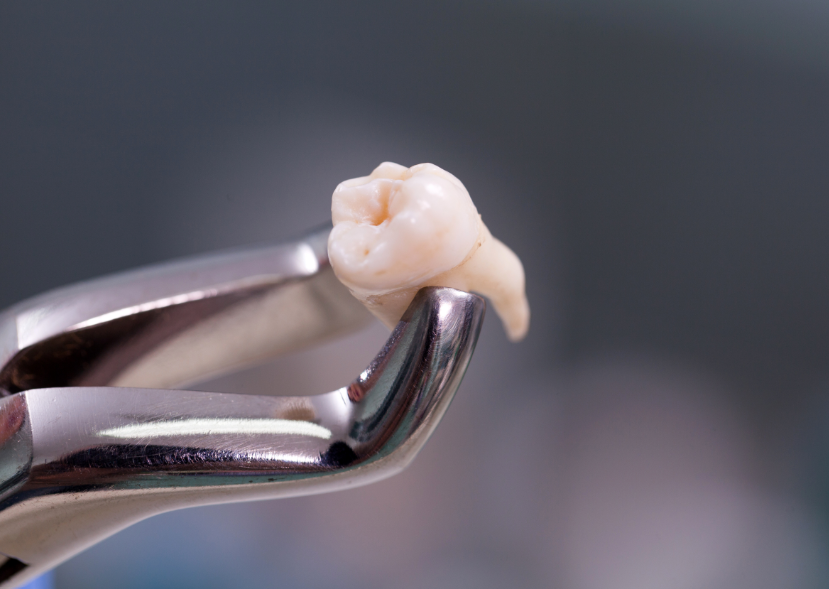
Wisdom teeth are the last set of molars to develop, typically appearing during the late teen years or early twenties. While some people have enough room in their mouths for these teeth to grow in properly, many others experience problems that make removal the best option.
If your dentist recommends wisdom tooth extraction, you may wonder if the procedure is really necessary. After all, if the tooth isn’t bothering you, why remove it? In many cases, wisdom teeth are removed to prevent future complications before they have the chance to cause pain, infection, or damage.
Here are three common reasons wisdom teeth may need to be extracted.
1. There Isn’t Enough Room for Them to Grow Properly
One of the most common reasons wisdom teeth are removed is because the jaw does not have enough space to accommodate them. When there isn’t enough room, wisdom teeth can become impacted, meaning they are trapped beneath the gums or only partially emerge.
Impacted wisdom teeth can grow at different angles, pushing against nearby teeth or becoming stuck in the jaw. This can lead to discomfort, swelling, and pressure that affects the surrounding teeth.
Even if an impacted wisdom tooth is not currently painful, it can create problems later. Removing it before complications develop can help protect the rest of your smile.
2. They Can Increase the Risk of Infection
Wisdom teeth that only partially erupt can be difficult to clean. Food particles and bacteria may become trapped around the gum tissue, creating an environment where infection can develop.
A common issue is pericoronitis, which is inflammation or infection of the gum tissue around a partially erupted wisdom tooth. Symptoms may include:
- Swollen or tender gums.
- Jaw discomfort.
- Bad breath or an unpleasant taste.
- Difficulty opening your mouth.
Infections involving wisdom teeth can become painful and may require treatment if they are not addressed. Removing problematic wisdom teeth can reduce the risk of these recurring issues.
3. They Can Damage Nearby Teeth
Even if wisdom teeth don’t cause immediate symptoms, they may still affect the health of neighboring teeth. An impacted wisdom tooth can put pressure on nearby molars, potentially causing crowding, enamel damage, or areas that are harder to keep clean.
In some cases, wisdom teeth can also contribute to cavities or gum problems around the surrounding teeth because their location makes brushing and flossing more challenging.
By removing wisdom teeth before they create damage, patients can help maintain a healthier, more comfortable smile.
Does Everyone Need Their Wisdom Teeth Removed?
Not everyone needs wisdom tooth extraction. Some people have wisdom teeth that grow in correctly, remain healthy, and do not interfere with their bite or oral hygiene.
Your dentist will evaluate factors such as the position of your wisdom teeth, your jaw size, your oral health, and potential future risks before recommending removal. Regular dental exams and X-rays help identify concerns early and determine whether extraction is the right choice.
Wisdom teeth removal is a common procedure that can help prevent painful problems and protect your long-term oral health. If your dentist recommends extraction, it may be because preventing future issues is the best way to keep your smile healthy.
About the Practice
At Mt. Holly Family Dentistry, patients receive comprehensive dental care in a comfortable and welcoming environment. The practice focuses on providing personalized treatment for patients of all ages, including wisdom tooth evaluations and extractions when needed. The team is dedicated to helping patients maintain healthy smiles through preventive care and modern dental solutions.
Call us at (609) 267-3230 or schedule your appointment online.