

Wisdom Tooth Extractions – Mt. Holly, NJ
Promoting Good Future Oral Health
Although wisdom teeth were helpful for our ancestors, they are often more harmful for patients today. That’s why it’s important to schedule a checkup every six months and, if yours are growing in sideways, are impacted beneath the surface, or pose a risk to your oral health in some other way, to have a discussion with your dentist. In the meantime, you can read on to learn more about wisdom tooth extractions in Mt. Holly, including what the recovery process looks like.
Why Choose Mt. Holly Family Dentistry for Wisdom Tooth Extractions?
- We Accept Dental Insurance
- Experienced & Caring Dental Team
- Nitrous Oxide Sedation Available
What Are Wisdom Teeth?
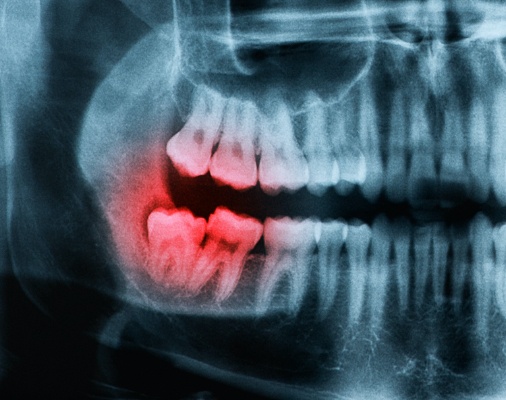
Wisdom teeth are the third set of molars. It’s believed that they get their name because they typically grow in between the ages of 16 and 25, and wisdom comes with age! However, not everyone has third molars. Some may only have one, while others can have four or none. While in many cases, wisdom teeth may need to be removed to preserve a patient’s oral health down the road, others may be able to grow in with no issues.
Why Do Wisdom Teeth Need to Be Removed?

As we mentioned above, not everybody needs to have their wisdom teeth removed. However, about 85% of people who do have their third molars need this procedure to preserve their oral health. Here are some of the situations in which we may suggest a wisdom tooth extraction:
- There’s not enough room in your mouth for them to grow in.
- Letting them grow in could result in misalignment.
- They have only partially erupted.
- They’re impacted below the gumline.
- You’re experiencing intense pain.
- The sacs that they form in could develop into cysts and damage the jawbone.
What to Expect from the Wisdom Teeth Procedure

The first step of the procedure is always to numb your mouth thoroughly so you don’t feel any pain during your time in the treatment chair. Once you’re ready to begin, we will proceed with either a simple or surgical extraction. A simple extraction is used when the tooth has broken through the gumline, allowing us to rock it loose until it’s ready to be removed. A surgical extraction, on the other hand, is used when the tooth is trapped underneath. If that’s the case, then we need to make a small incision in the gums to access it. Then, we can remove it section by section before tending to the extraction site.
Recovering from Wisdom Teeth Extraction

After your treatment, it’s important for you to follow the aftercare instructions we provide to minimize pain and speed up your recovery, including:
- Keep the gauze pad over the surgical site for at least a half-hour.
- Eat soft foods, like plain yogurt, pudding, and applesauce.
- Take any prescriptions as directed.
- Don’t spit, smoke, or use a straw.
- Place an ice pack on the outside of your mouth in 10-minute increments.