

Dentist – Mt. Holly, NJ
Where Smiles
Come Naturally.
Come Naturally.
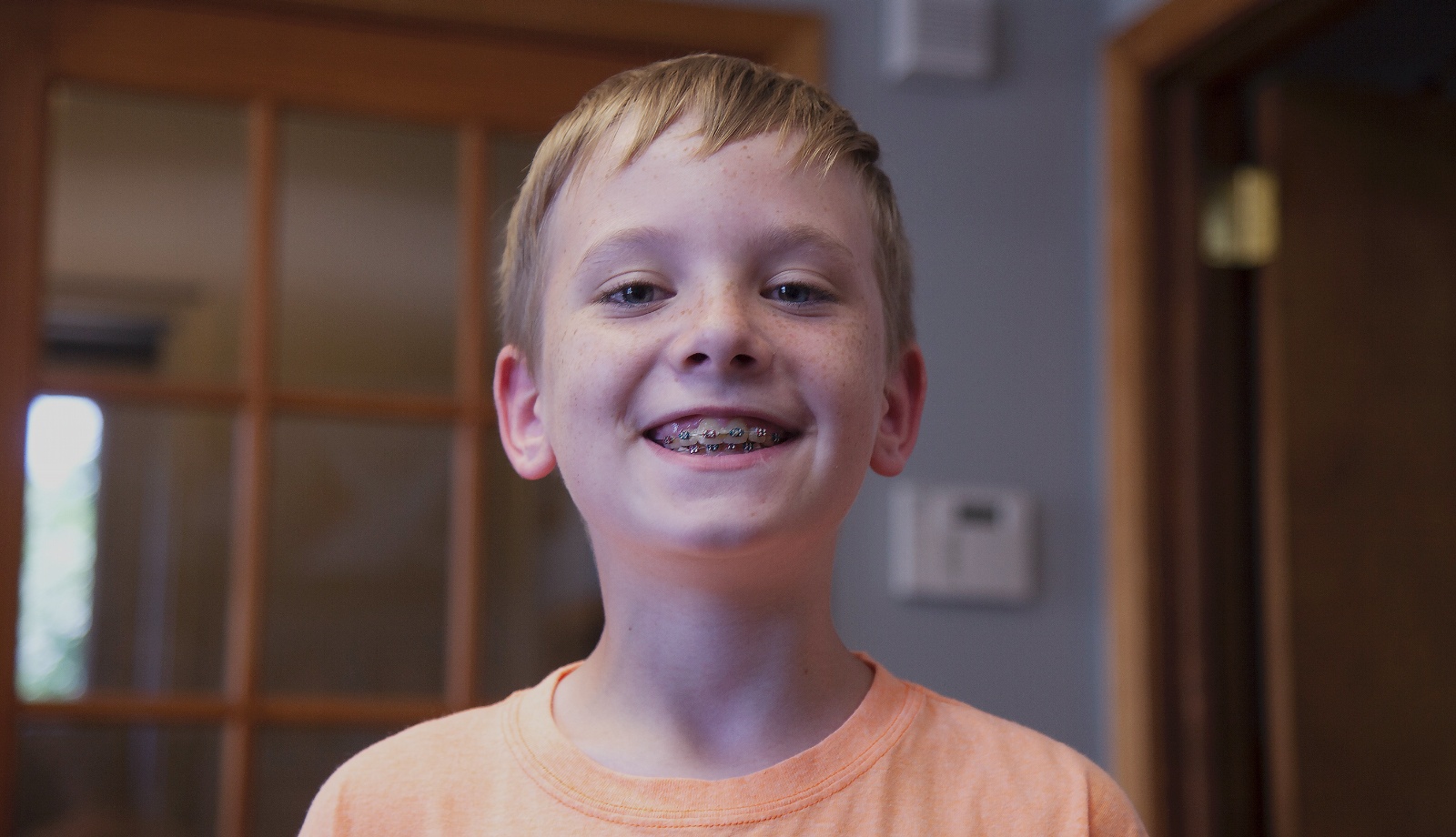
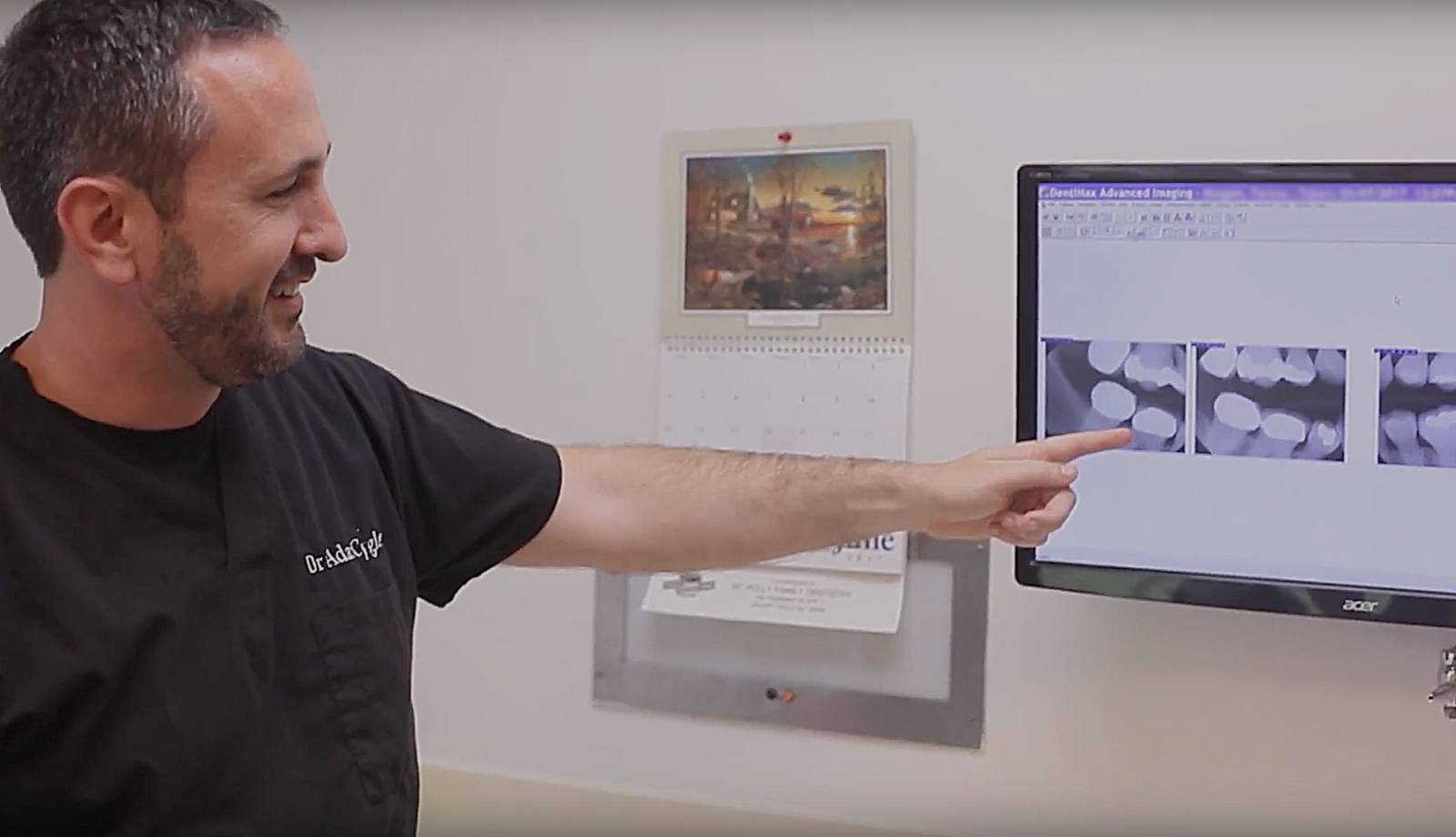
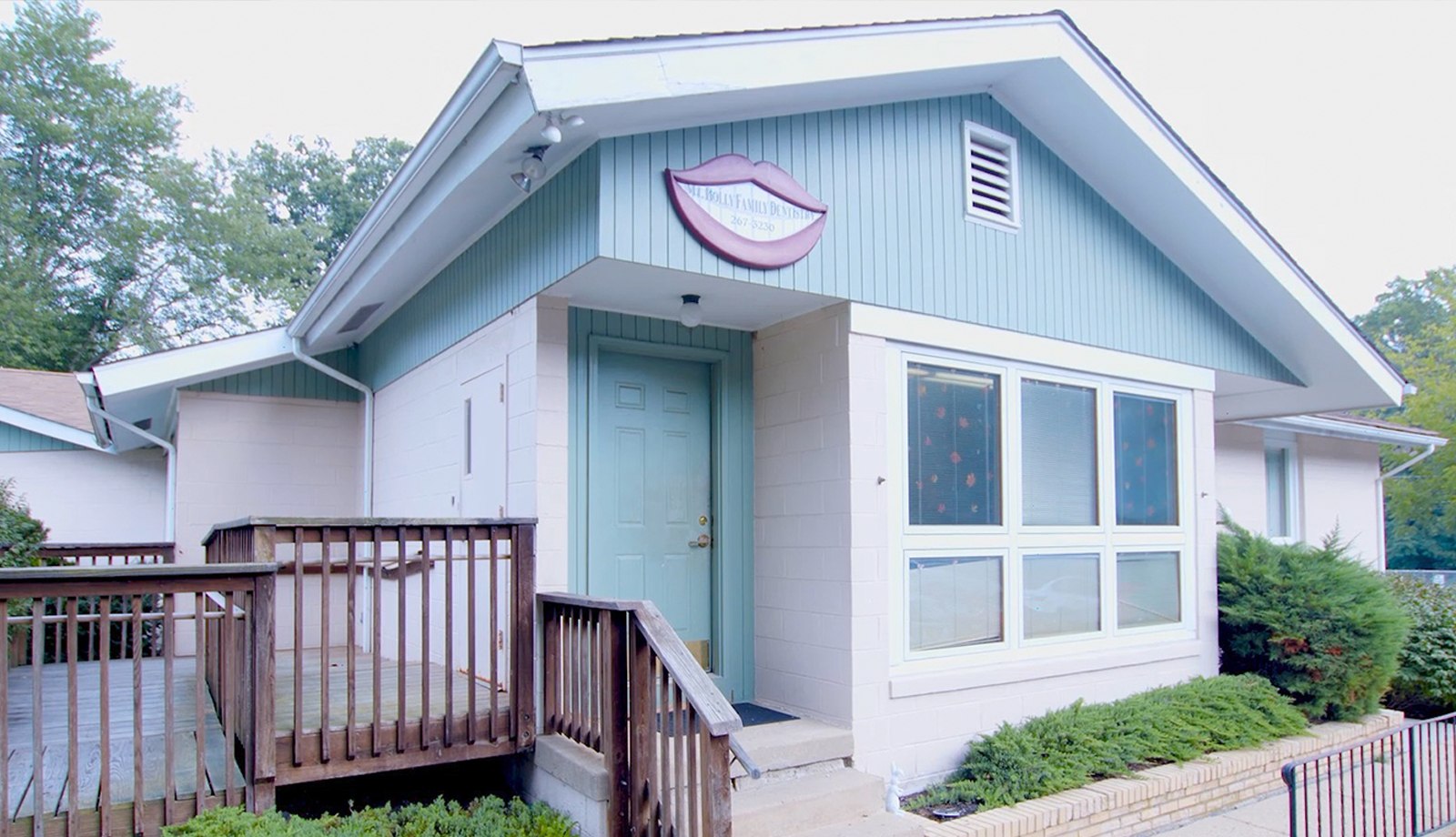
Since 1963, Mt. Holly Family Dentistry has been helping families of all ages smile for a lifetime! Dr. Adam Cygler, and Dr. John Genco provide a team approach to exceptional dentistry, working together to offer dependable, quality, and comfortable care in a down-to-earth atmosphere.
At our dental office near Timbuctoo, you will always be treated with mutual respect and compassion – and our entire dental team works hard to ensure your time with us is exceedingly positive. From modern dentures to emergency dentistry , you can expect honest dentistry from caring individuals who treat you just like a member of their own family!
Ready to Get Started?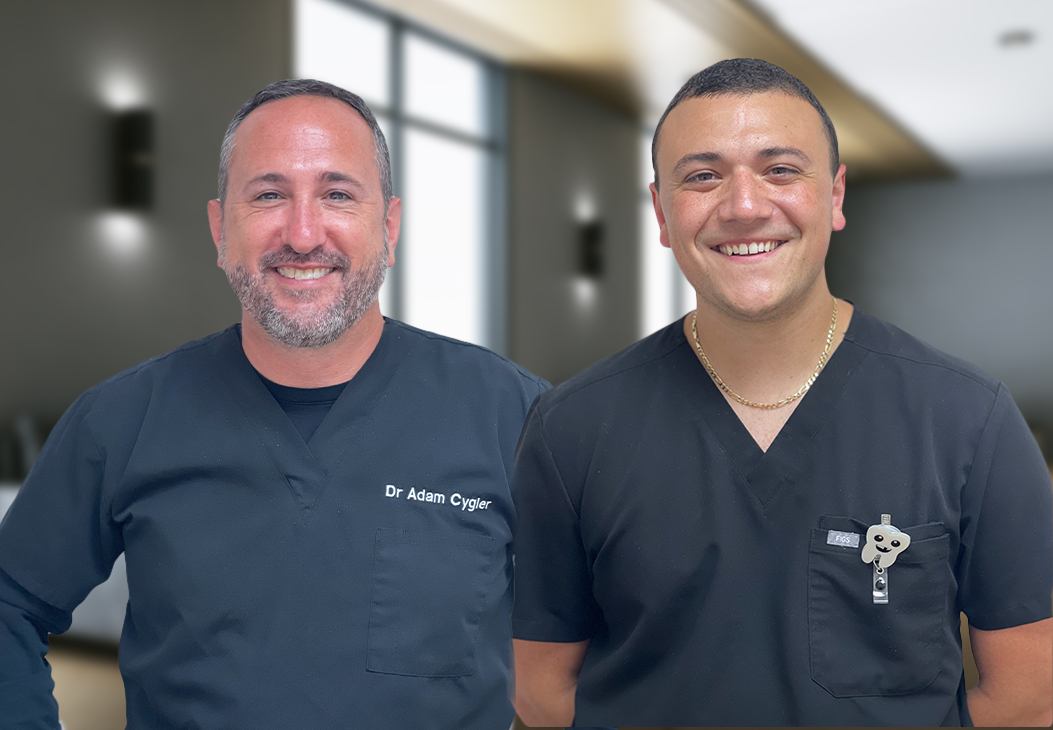
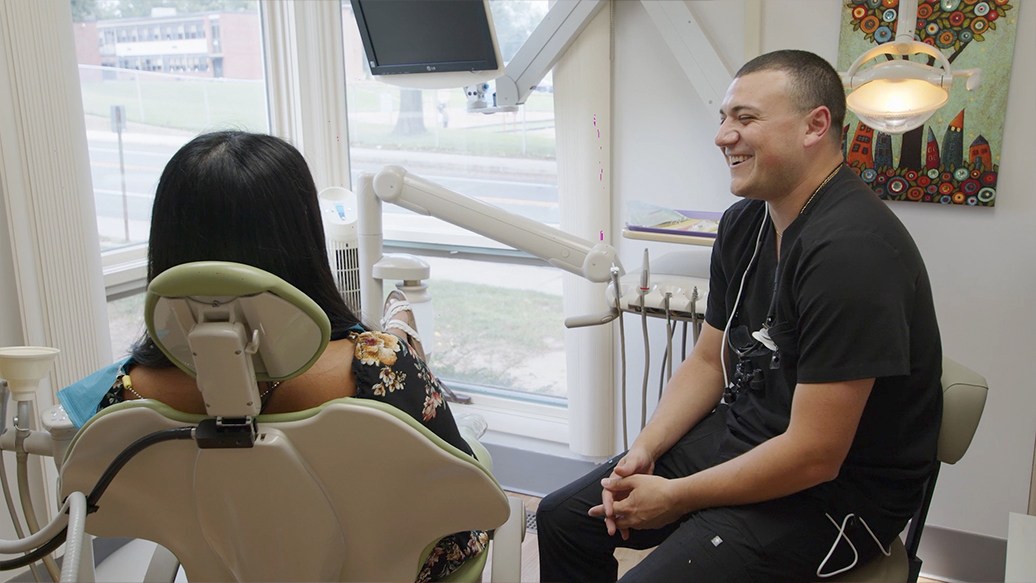
We’ve meticulously created an open, family-first atmosphere where you feel welcome, truly listened to, heard, and as if you’re in the gentle, capable hands of a trusted friend.
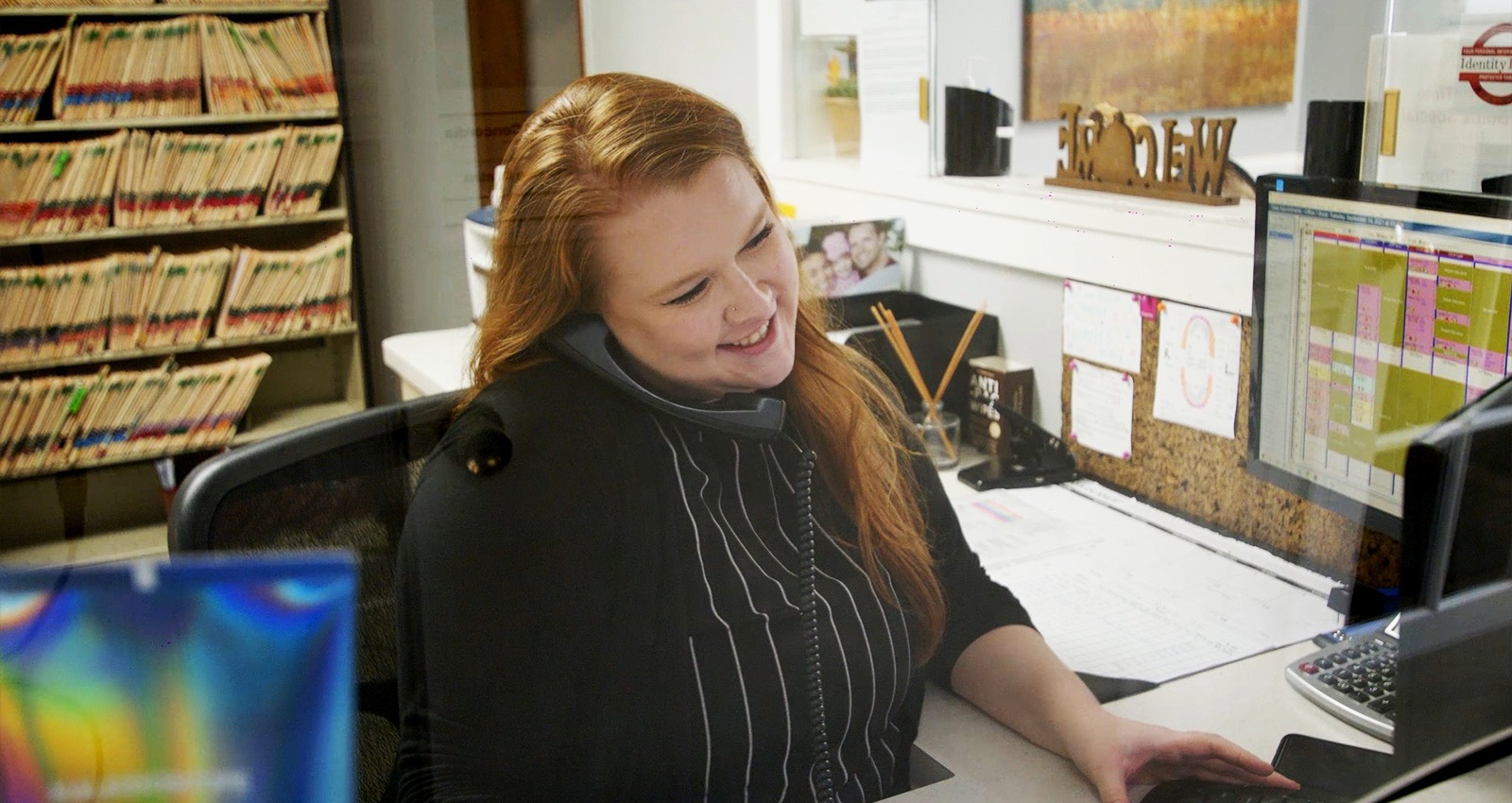
We want to make high-quality dentistry accessible to everyone who needs it, which is why we proudly accept dental insurance and file claims on our patients’ behalf. Although we don't accept HMO or DMO plans, we’re in-network with most PPO plans and welcome flexible financing, so don’t hesitate to reach out to our dental team near Hainesport! Whether it’s time for your six-month checkup or you’re interested in veneers , our goal is to help you save on your dental care costs while keeping your smile as healthy as possible.
Explore Your Options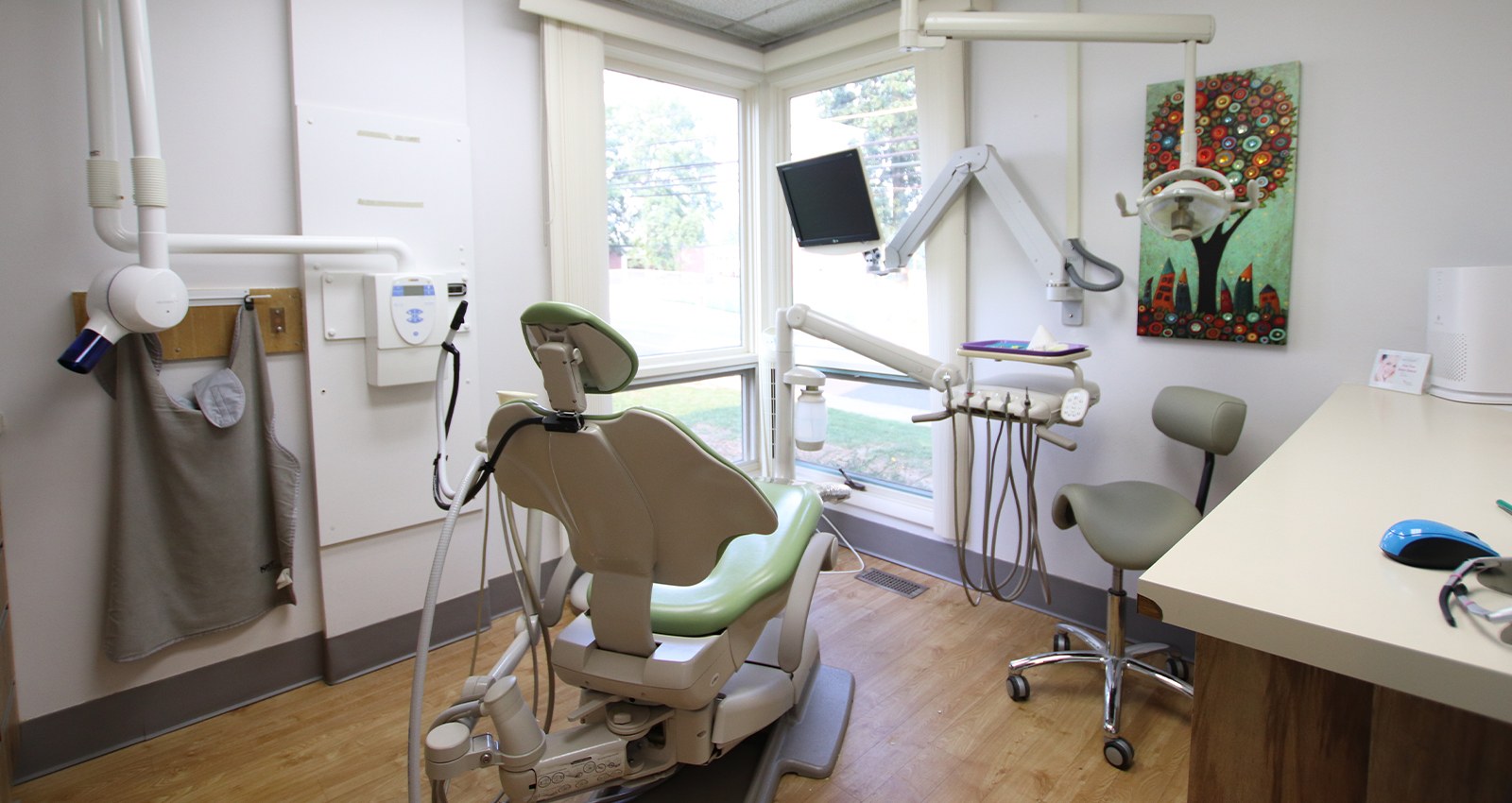
Our dental office near Eastampton is designed with the comfort of our patients in mind. We’ve flipped the script on the typical drab and clinical dental office by investing time into making ours comfortable, warm, and welcoming. Even our most anxious patients are able to feel more at-ease when they enter through our dental office doors. Take a tour of our dental office by clicking the link below!
Tour Our Dental OfficeAt our Mt. Holly dental office, you’ll find a highly trained and talented team that is eager to help you achieve your best smile yet. Whether that involves implant dentures to rebuild your bite, sedation dentistry to alleviate dental-related anxiety, or something in between, we encourage you to visit us at 362 Ridgway Street in Mt Holly. Plus, we are happy to welcome patients from all over the area, including those looking for a dentist near Westampton or a dental office near Timbuctoo. Need assistance finding us? Don’t hesitate to get in touch!